

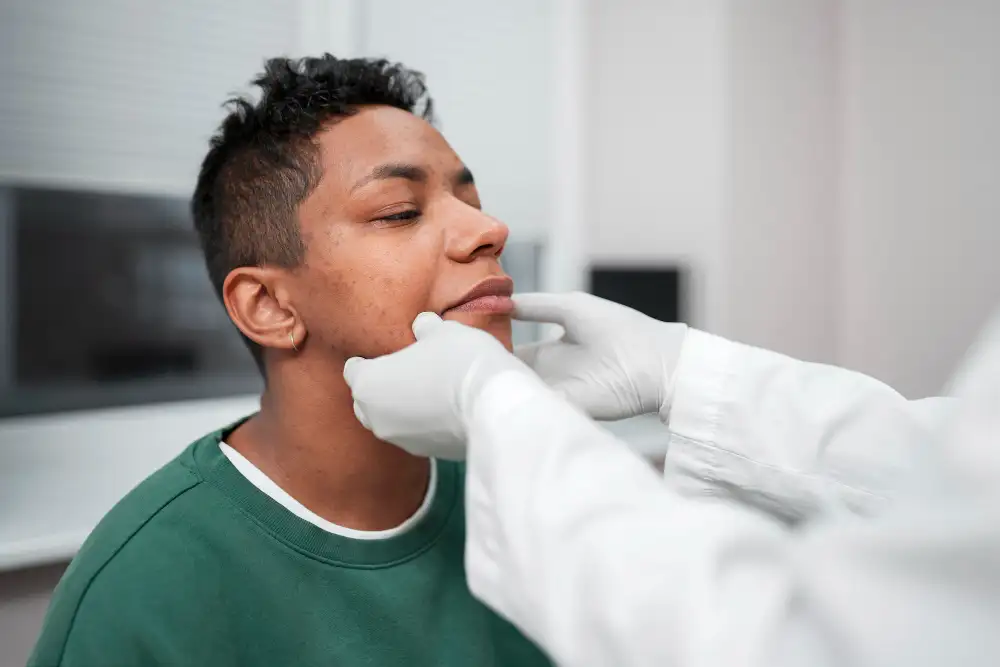
Oral cancer is one of the most serious and silent diseases that can affect oral health. Early detection is essential to improve prognosis and increase the chances of successful treatment. In this article, we explain how to prevent oral cancer, what its early symptoms are and which habits can help keep your mouth healthy and protected.
What is oral cancer?
Oral cancer occurs when cells in the mouth begin to grow uncontrollably. It can develop on the tongue, gums, palate, inside the cheeks or floor of the mouth.
Areas where it can develop
The most commonly affected areas include:
- Tongue and floor of the mouth.
- Gums and oral mucosa.
- Palate and throat.
Most common risk factors
Factors that may increase the risk of developing oral cancer include:
- Tobacco use in any form.
- Excessive alcohol consumption.
- Prolonged sun exposure, particularly in cases of lip cancer.
- Infection with the human papillomavirus (HPV).
- Poor oral hygiene or poorly fitting dental prostheses.
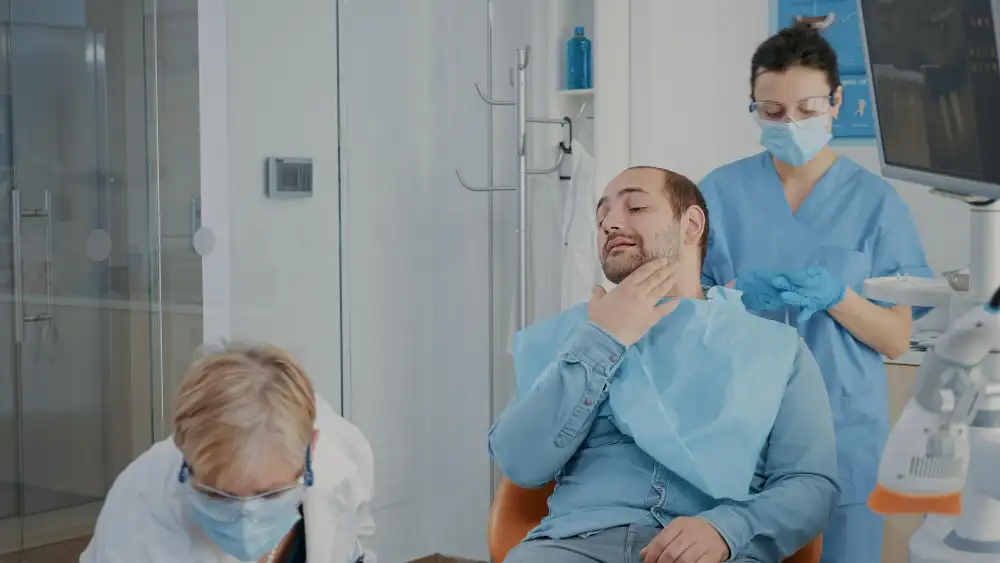
Early symptoms of oral cancer you should not ignore
Early detection is essential. Many signs can easily go unnoticed, so it is important to recognise them.
Visible signs in the mouth or tongue
- White or red patches that do not disappear.
- Sores or wounds that do not heal.
- Thickened areas or lumps in the oral mucosa.
Changes in the voice or difficulty swallowing
- Persistent pain or burning sensation in the throat.
- Feeling as though something is stuck when swallowing.
- Changes in the voice or difficulty moving the tongue.
If you notice any of these symptoms for more than two weeks, it is advisable to see a dentist or oral medicine specialist.
How to prevent oral cancer in your daily life
Adopting healthy habits can significantly reduce the risk of developing oral cancer.
Healthy habits that reduce the risk
- Do not smoke and avoid exposure to tobacco smoke.
- Limit alcohol consumption.
- Maintain good oral hygiene.
Diet and oral health
A diet rich in fruit and vegetables, especially those containing vitamins A, C and E, can help protect the cells of the oral mucosa against oxidative damage.
Avoiding tobacco and alcohol
Tobacco and alcohol are associated with a large proportion of oral cancer cases. Avoiding them or reducing consumption is one of the most effective preventive measures.
The importance of regular dental check-ups
Dental check-ups are not only important for looking after your teeth; they also allow suspicious lesions to be detected at an early stage.
What a dentist can detect during a check-up
During a complete oral examination, a dental professional can identify small lesions, patches or abnormalities that the patient may not notice. Early assessment can save lives.
How often should you have a complete oral examination?
A dental check-up is recommended at least once a year, or more frequently for smokers and patients with additional risk factors.
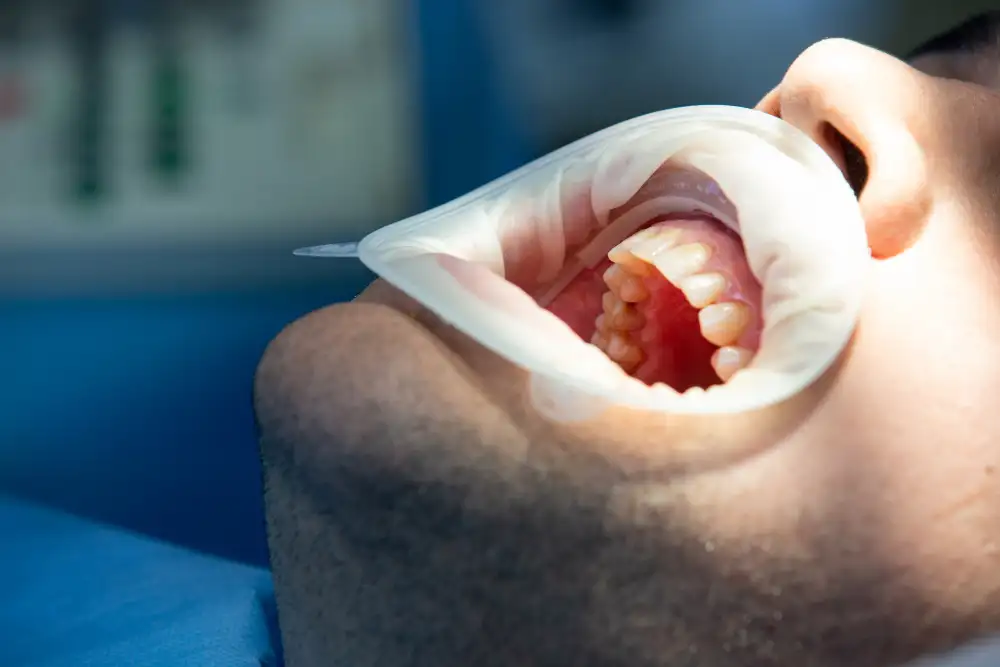
Early diagnosis and treatment of oral cancer
Early diagnosis significantly improves survival rates.
Screening and diagnostic tests
A specialist may perform a clinical examination, biopsies and imaging tests to confirm the diagnosis.
Treatment options depending on the case
Depending on the location and stage of the cancer, treatment may include surgery, radiotherapy, chemotherapy or a combination of these treatments. The earlier it is detected, the more straightforward and effective treatment may be.
Final tips for looking after your oral health
- Maintain good daily oral hygiene.
- Avoid risk factors such as smoking and excessive alcohol consumption.
- Use lip sunscreen if you spend a lot of time in the sun.
- Attend regular dental check-ups.
Remember: prevention and early diagnosis are your best allies against oral cancer.